UNBELIEVABLE: Iran Painted Warplanes on Concrete — What You Need to Know
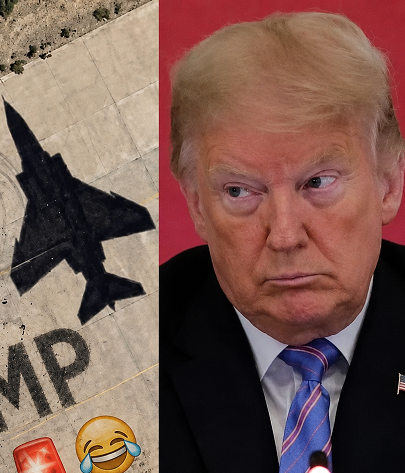
Iran had painted warplanes on concrete sparked widespread alarm online, with many social media users initially interpreting the images as evidence of imminent military escalation. However, closer examination shows that the incident was far less dramatic: the markings were part of routine military training and simulation exercises rather than an offensive operation or sign of conflict.
In reality, the painted aircraft images are consistent with long-standing military practices used by many countries. Armed forces often create mock installations, including painted runways, dummy aircraft, and simulated bases, to train personnel in identification, targeting procedures, and tactical planning. These techniques also serve as decoys designed to mislead enemy surveillance or intelligence-gathering systems. Such methods have historical precedent, dating back to World War II, when both Allied and Axis powers used inflatable tanks, fake airfields, and other deceptive structures to confuse adversaries. Similar strategies continued through the Cold War and remain in use today in various modernized forms.
Military analysts emphasize that these exercises are primarily defensive and preparatory. They help improve readiness, reduce risk to real assets, and enhance strategic deception capabilities. There is no evidence that the painted warplanes represented any active deployment, attack preparation, or escalation. No casualties, strikes, or operational threats were associated with the images.
The story gained traction largely due to how it was presented and amplified on social media. Sensational headlines, combined with cropped or context-free images, led many viewers to assume the worst before verifying the facts. Platforms that prioritize engagement often boost emotionally charged or alarming content, which accelerates the spread of misinformation or incomplete narratives. As a result, a routine training exercise was rapidly reframed in public perception as a potential military crisis.
Public reactions ranged from fear and speculation to frustration and criticism of sensationalist reporting. Many users later expressed relief after learning the full context, while media literacy advocates highlighted the importance of verifying information before sharing. Experts note that humans are particularly sensitive to threat-related imagery, which helps explain why such stories spread quickly online.
The incident underscores broader lessons about modern information ecosystems. Military activities can easily be misinterpreted without proper context, and viral content often prioritizes impact over accuracy. This creates a gap between perception and reality that can fuel unnecessary concern.
Ultimately, the painted warplanes were not a signal of aggression but a routine demonstration of military training and deception techniques. The episode serves as a reminder of the importance of critical thinking, careful sourcing, and responsible sharing in an era where digital information travels faster than verification.
