Iran’s Retaliation Begins — Missiles Aimed at Israel, America and the World on Alert
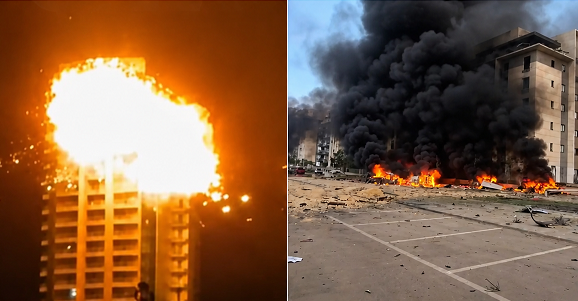
Rapidly escalating conflict involving Israel, the United States, and Iran, presenting it as a major turning point in Middle Eastern geopolitics with potentially far-reaching global consequences. According to the narrative, the crisis began on March 9, 2026, when Israeli forces launched airstrikes against Iranian military facilities that were allegedly connected to Iran’s nuclear program. Israeli officials reportedly defended the operation as a necessary act of self-defense against what they viewed as an imminent threat. However, the attacks sparked international debate regarding their justification, legality, and potential consequences.
In response, Iran allegedly launched missile strikes targeting Israeli and American military assets across the region. Iranian leaders framed their actions as a defense of national sovereignty and a direct response to foreign aggression. The exchange of military strikes raised fears that the conflict could expand beyond the immediate parties involved and evolve into a broader regional confrontation.
A major focus of the article is the humanitarian impact of the violence. Reports describe civilians in both Iran and Israel facing increasing danger as military operations intensify. Casualties, displacement, and damage to critical infrastructure—including hospitals, schools, and essential services—have reportedly contributed to a growing humanitarian crisis. Aid organizations are attempting to assist affected populations, but ongoing hostilities have complicated relief efforts and limited access to vulnerable communities.
The international response has been divided. Some governments have criticized the military actions taken by Israel and the United States, while others have expressed support. Meanwhile, diplomatic efforts are reportedly underway to prevent further escalation. Countries including Russia and China have called for immediate ceasefires and negotiations, emphasizing diplomacy as the preferred path toward stability.
The article concludes by highlighting several unresolved questions: who bears responsibility for the latest escalation, whether the military actions comply with international law, why civilians continue to suffer disproportionately during conflicts, and how likely the crisis is to develop into a wider regional war. Ultimately, it argues that the decisions made by political leaders in the coming days could significantly influence regional security, international relations, and global stability for years to come.
